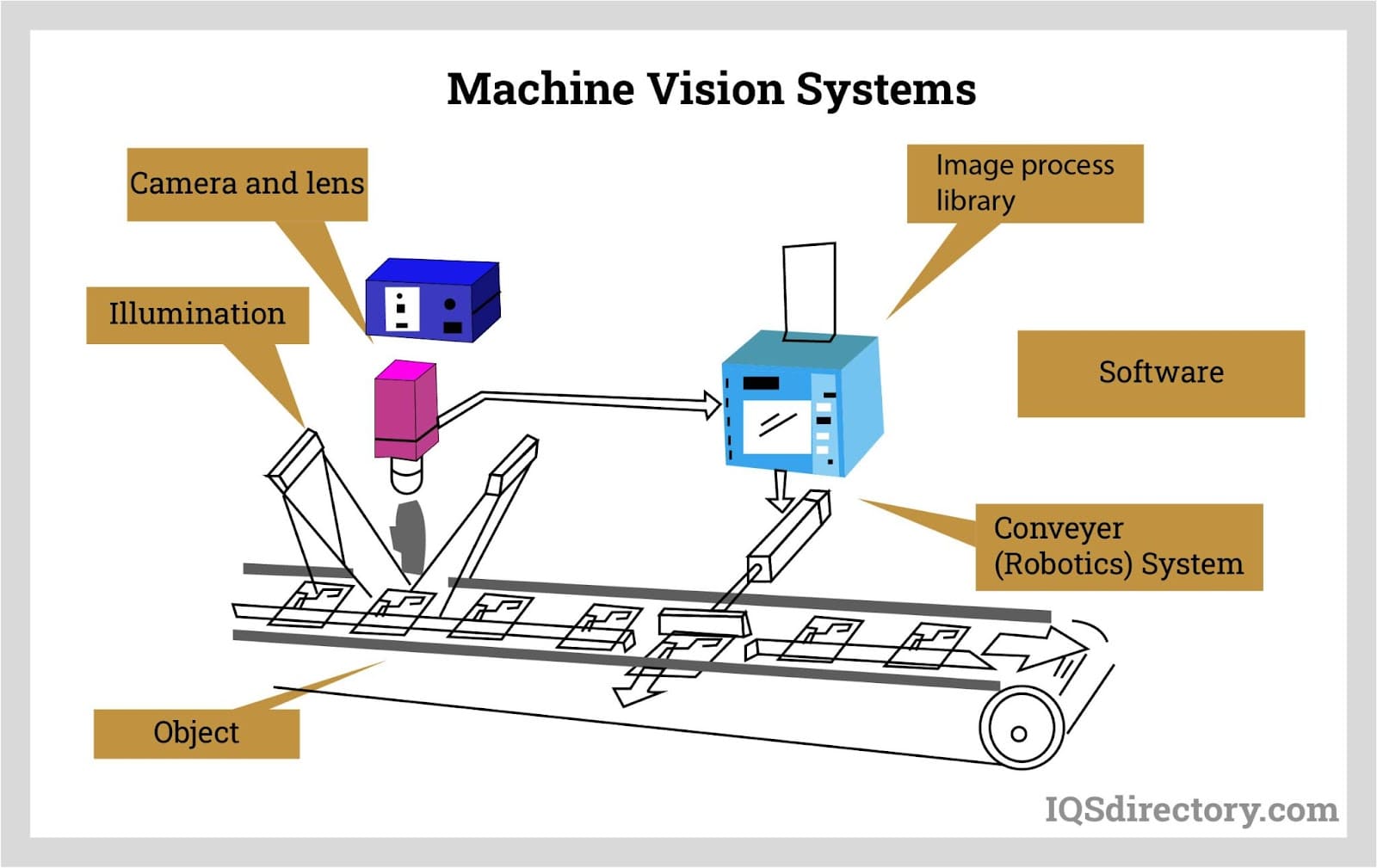
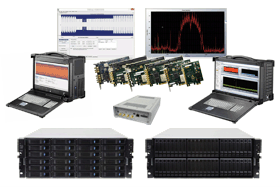
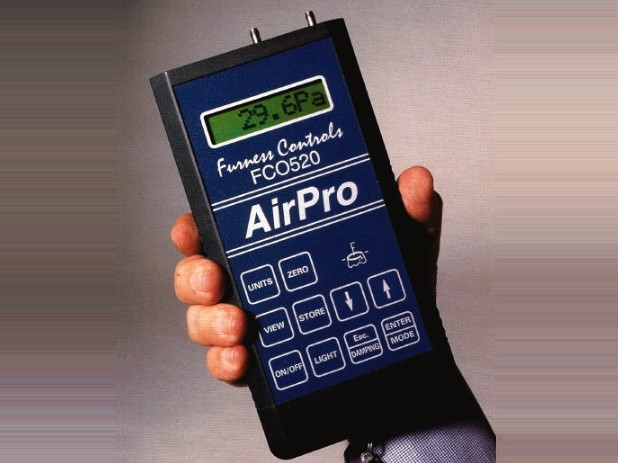
A vision system is a system that provides image-based inspection for different industrial and manufacturing applications. Smart cameras that have been calibrated for performing specific inspections automatically examine products during manufacturing or may adjust other processes in real time. Read More…
When it comes to machine vision systems, we have the tools to get the job done right. We work hard to provide the best solutions and products to meet our customers’ demand. It is our goal to work with you from start to finish on all aspects of design and production. We will do our best to provide the solution to even your most challenging requirements. Find out more by contacting us today!
Our machine vision systems are used around the world in millions of applications. We believe in creating products that work, and our customers trust us to create innovative and effective designs they can rely on. You will find that we face even the most difficult challenges with ease. Contact us today to learn more about how we can help you!
At Six Sigma Concepts, LLC, we specialize in designing and integrating advanced machine vision systems that bring precision, consistency, and intelligence to modern manufacturing. We combine engineering expertise with cutting-edge imaging technologies to deliver custom vision solutions that automate inspection, measurement, and process control with remarkable accuracy.
Edmund Optics is a leading optical manufacturer, offering world-class components, assemblies, and services. We can design custom lenses, optical prisms, beamsplitters, optical filters, windows, and laser optics, while offering a range of single/multi-layer coating options.


More Vision System Manufacturers
What is a Vision System?
A vision system—also known as a machine vision system—is a technology-driven solution that utilizes advanced 2D cameras, 3D cameras, image processing software, and sophisticated algorithms to automate inspection, quality assurance, production guidance, and industrial robotics. In the rapidly evolving landscape of industrial automation, vision systems have become fundamental for maintaining high standards of product quality and operational efficiency.
These intelligent systems are widely adopted in sectors such as manufacturing, pharmaceuticals, automotive, food and beverage, electronics, and packaging. By integrating a vision system, organizations can achieve continuous monitoring, real-time defect detection, and process optimization. Whether deployed for automated inspection, robot guidance, barcode reading, or product tracking, vision systems enhance both productivity and accuracy, reducing the risk of costly errors and recalls.

How does a vision system work? At its core, a vision system captures images of products or processes using specialized cameras. These images are then analyzed using advanced image processing software and machine learning algorithms to extract key information, identify defects, and make real-time decisions. The suitability of a particular vision system depends on several factors, including the nature of the inspected product, required inspection speed, environmental conditions, process complexity, and budget constraints.
Common camera types used in vision systems include 1D, 2D, and 3D cameras, as well as area scan and line scan cameras. Each camera type offers unique advantages for specific industrial applications, such as high-speed sorting, surface inspection, dimensional measurement, and code verification.
Types of Vision Systems
Vision systems come in a variety of configurations to meet specific industrial and manufacturing requirements. Understanding the different types of vision systems empowers you to select the right technology for your unique business needs. Below, we examine key types of vision systems and their core applications.
Process Control Vision Systems
Process control vision systems are engineered to provide real-time process feedback and ensure seamless operation of industrial production lines. Leveraging industrial process vision controls, these systems precisely capture and communicate measured values to data logging platforms, enhancing traceability and compliance. They also enable accurate robot positioning, historical process data storage, and event monitoring through advanced imaging and event-capture technology.

Defect Inspection Vision Systems
Defect inspection vision systems are designed to detect, classify, and resolve surface defects and packaging issues in real time. These systems are critical for industries where product quality and safety are paramount. Examples of common tasks include label placement verification, dent detection, seal inspection, missing parts identification, and deformity recognition.
By automating defect detection, manufacturers can minimize product recalls, ensure regulatory compliance, and maintain customer satisfaction. Defect inspection systems can be adapted for inline inspection or random sampling, depending on production demands.

Custom Packaging Inspection Vision Systems
Packaging inspection vision systems are tailored to meet stringent quality standards, limiting false reject rates and ensuring compliance with industry guidelines. These vision solutions inspect for defects such as dents, holes, creases, and other physical anomalies on diverse materials like plastics, metals, and glass. Label inspection functions include checking for wrinkles, skewed or misaligned labels, incorrect date codes, and missing caps.
Did you know? Advanced packaging inspection systems can also verify barcode accuracy, nutritional labeling, and the presence of molded features or correct seals, helping manufacturers meet FDA and industry regulations.
Print-and-Code Inspection Vision Systems
Print-and-code inspection vision systems ensure that product labels, markings, and codes are accurate, legible, and compliant with regulatory requirements. These systems detect incorrect or damaged labels before products reach the market, reducing the risk of misbranding and recalls.
Common use cases include verifying text quality, pre-printed artwork, laser markings, ink-jet print quality, chemical etchings, 1D barcodes, and 2D data matrix codes. The ability to match product codes and verify accurate information is essential for traceability and supply chain integrity.
Explore leading vision inspection system manufacturers to learn more about available print-and-code verification solutions for your industry.
Custom Web Inspection Vision Systems
Custom web inspection systems provide real-time monitoring and defect detection for materials produced in continuous rolls or webs, such as paper, films, textiles, or foils. Employing high-speed cameras and advanced image processing algorithms, these systems can instantly detect tears, holes, improper webbing, and print defects.
Web inspection vision systems are also used for barcode validation, 2D code verification, and artwork monitoring, ensuring the highest level of product quality and consistency.
Custom Tolerance Measurement Vision Systems
Custom tolerance measurement vision systems guarantee that products meet strict dimensional and geometric tolerances throughout production. These systems provide real-time feedback on process stability and product quality by performing tasks such as thread count verification, dimensional measurement, machine vision-based statistical analysis, and tolerance checks on machined or assembled parts.
Additional capabilities include camera and laser scanning, comparison with CAD models, heat seal inspection, and infrared or radiometric analysis. These features make them invaluable for precision manufacturing and industries where repeatability and compliance are critical.
Applications of a Vision System
What are the most common applications of vision systems? Vision systems are now integral to many industrial processes. Here are some key applications where adopting a vision system can deliver significant value:
- Manufacturing quality inspection: Vision systems enable both random and 100% in-line inspection, identifying defective products before they reach customers.
- Quality control and appearance inspection: Automated visual inspection ensures that all products meet strict aesthetic and functional quality standards.
- Dimensional measurement and counting: Vision-guided systems can measure complex parts, verify dimensions, and perform high-speed counting in real time.
- Pick-and-place automation: Robotic systems use vision guidance to accurately pick, position, and assemble components or products, increasing throughput and minimizing waste.
- Defect detection and pattern matching: Machine vision algorithms rapidly identify surface defects, inconsistencies, or deviations from standard patterns, even at high line speeds.
- Automated optical testing: Vision systems support a wide range of testing protocols, from visual inspection to measurement verification, ensuring regulatory compliance and customer satisfaction.
- Barcode reading and traceability: Vision systems can decode 1D and 2D barcodes, QR codes, and data matrix codes, improving inventory management and product traceability.
- Sorting and grading: In food, recycling, and logistics industries, vision systems grade and sort products based on color, size, or type, optimizing value and reducing waste.
Industry-Specific Use Cases for Vision Systems
- Automotive: Detecting weld integrity, ensuring proper part assembly, and verifying paint quality.
- Pharmaceuticals: Inspecting tablets for chips or cracks, verifying blister pack integrity, and checking for correct labeling and serialization.
- Electronics: PCB inspection, solder joint analysis, and component placement verification.
- Food and Beverage: Monitoring fill levels, cap placement, label verification, and detecting contamination in packaged goods.
- Packaging: Ensuring correct barcodes, label placement, and package integrity before shipment.
- Textiles: Real-time detection of weaving defects, holes, and color inconsistencies.
- Logistics and Warehousing: Reading barcodes for sorting, order fulfillment, and inventory management.
Curious about how vision systems could streamline your specific industry? Browse our industry guides to discover tailored solutions.
Benefits of a Vision System
Why invest in a machine vision system for your business? Vision systems offer a host of compelling benefits that can transform your operations and provide a significant return on investment (ROI). Here’s how:
- Enhanced safety and risk reduction: Vision systems perform repetitive or hazardous tasks, minimizing employee exposure to potentially dangerous environments.
- Reduced human error and contamination: Automated inspection eliminates the risk of human contamination and decreases costly mistakes, especially in regulated industries like pharmaceuticals and food production.
- Increased productivity and workflow efficiency: By automating time-consuming inspection and measurement tasks, vision systems free up employees to focus on high-value, creative, or strategic work.
- Lower operational and maintenance costs: Automation reduces labor costs and downtime associated with manual inspection, leading to faster throughput and greater consistency.
- Unmatched accuracy and precision: Vision systems detect even minute defects, ensuring that only products meeting the highest standards reach customers.
- Real-time monitoring and traceability: Immediate defect detection enables quick correction, minimizing waste and supporting traceability across the supply chain.
- Scalability and flexibility: Vision systems can be reconfigured or upgraded to meet evolving production needs, offering a future-proof automation investment.
- Regulatory compliance and documentation: Automated data capture and image archiving simplify record-keeping and support compliance with industry standards.
Quantifying the ROI of Vision Systems
Businesses that deploy vision systems often experience measurable improvements in yield, product quality, and customer satisfaction. Looking to calculate your potential ROI? Consider factors such as labor savings, reduction in defects or recalls, faster throughput, and improved compliance when evaluating vision system investments.
How to Choose the Right Vision System Company
What should you consider when selecting a vision system supplier? Choosing the right vision system company is a critical decision that can impact your project’s success. Here are key factors to guide your evaluation process:
- Industry experience: Does the supplier have proven expertise in your sector, whether it's automotive, food processing, electronics, or another field?
- Technical capabilities: Can they design and deliver custom solutions, integrate with existing automation, and provide ongoing support?
- Product portfolio: Do they offer a comprehensive range of vision systems (2D, 3D, area scan, line scan) and supporting software?
- Integration services: Will they collaborate with your engineering team for seamless installation, training, and maintenance?
- Customer support and training: Do they provide accessible support, troubleshooting, and training to maximize system uptime?
- References and case studies: Have they delivered successful projects similar to yours? Can they provide case studies or client testimonials?
- Compliance and certification: Are their products certified for use in your industry and compliant with relevant standards?
Ready to compare vision system suppliers? Use our directory of vision system manufacturers to review company profiles, explore their areas of expertise, and request detailed quotes. Each supplier profile highlights key capabilities, solutions offered, and direct contact information to streamline your selection process.
Tips for effective supplier evaluation:
- Review the supplier’s website and resources using our patented website previewer.
- Request case studies or references to verify their track record.
- Use our simple RFQ (request for quote) form to contact multiple companies simultaneously for competitive pricing and solution proposals.
Frequently Asked Questions About Vision Systems
What is the difference between a machine vision system and traditional inspection methods?
Machine vision systems use automated cameras and advanced software to inspect products with far greater speed, accuracy, and consistency than manual inspection. This reduces human error, increases throughput, and enables 24/7 quality monitoring.
How do I know which vision system is right for my application?
The best vision system for your needs depends on your specific industry, product types, required inspection speed, defect types, and integration needs. Consult with experienced vision system integrators or suppliers to assess your requirements and recommend an optimal solution.
Can vision systems be integrated with existing automation equipment?
Yes. Modern vision systems are designed for seamless integration with a wide variety of automation equipment, including robotic arms, conveyors, PLCs, and MES/ERP systems.
What are the maintenance requirements for vision systems?
Vision systems typically require minimal maintenance, involving periodic cleaning of camera lenses, software updates, and occasional recalibration. Many suppliers offer remote diagnostics and support services.
How quickly can a vision system deliver ROI?
ROI timelines vary by application, but many businesses experience payback within 12 to 18 months due to labor savings, defect reduction, and improved throughput.
Explore Further Resources
Want to learn more? Check out these resources to deepen your understanding of vision systems:
Still have questions? Contact us today for personalized assistance or to request a custom solution tailored to your needs.